A brand’s online presence is no longer defined by its website alone. Social media has become one of the main places where businesses communicate with audiences, demonstrate expertise, respond to customers, and build recognition. But simply maintaining profiles across multiple platforms is not enough. Effective social media management gives businesses a structured way to support brand growth and channels into a consistent part of their wider digital marketing strategy.
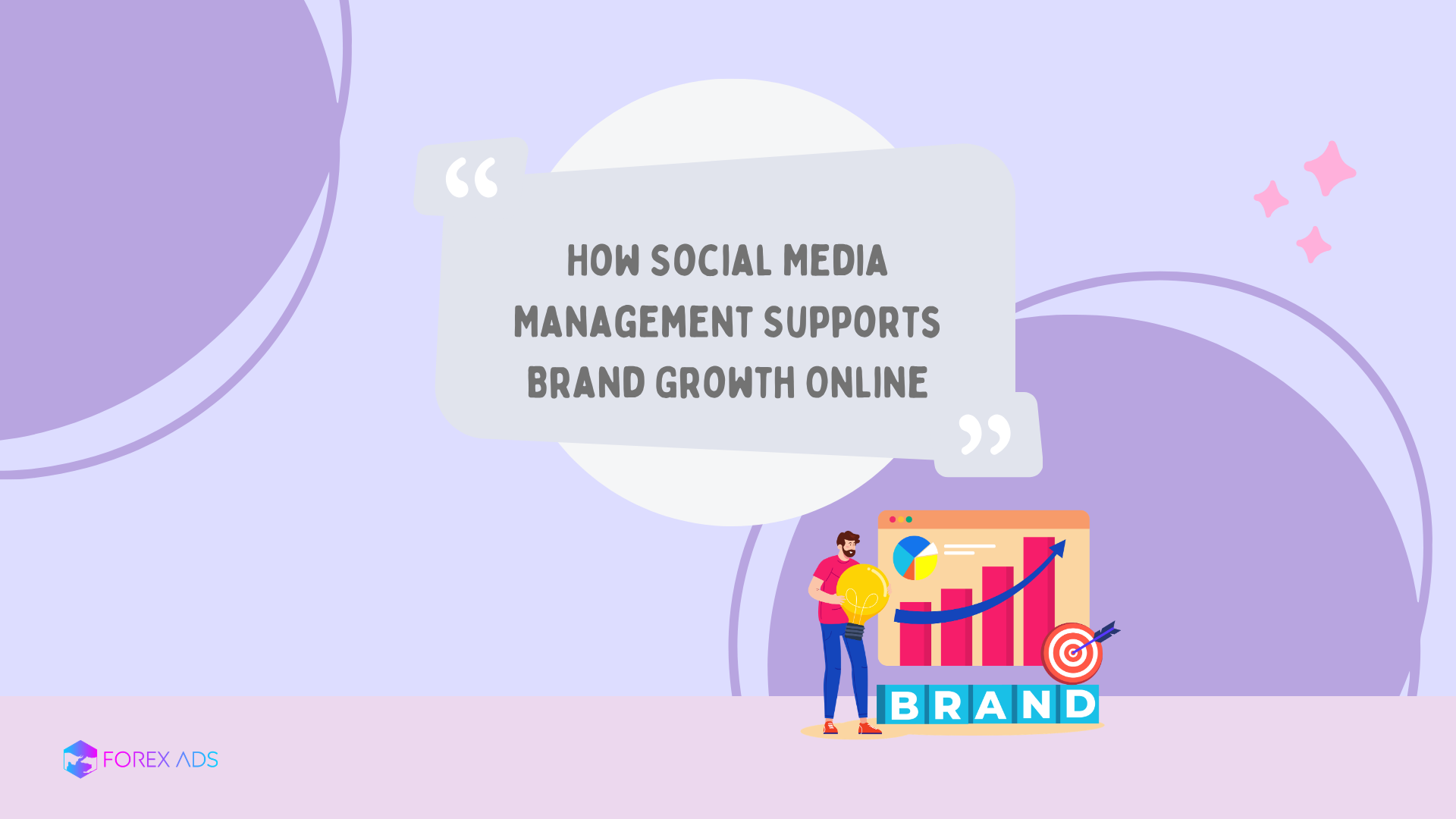
How Social Media Management Supports Brand Growth Online
Shall we?
Building Consistent Brand Visibility
Brand growth starts with recognition. Regular, well-planned social media activity keeps a business visible to its target audience and creates more opportunities for people to encounter the brand.
Social media management helps maintain consistency across platforms by coordinating publishing schedules, visual identity, messaging, and content themes. Instead of posting only when there is something to promote, brands can maintain a steady presence that supports long-term awareness.
This consistency is particularly valuable in competitive industries, where customers may encounter numerous businesses offering similar products or services.
Creating Stronger Connections With Audiences
Social media provides something traditional advertising often cannot: direct interaction.
Customers can comment on posts, ask questions, share opinions, and contact brands directly. Managing these interactions effectively can make the difference between an audience that simply sees a brand and one that actively engages with it.
Community management, timely responses, and relevant conversations can help businesses understand what their audiences care about. Those insights can then influence future content, campaigns, products, and customer-service decisions.
Supporting Content Marketing
Social media also gives businesses a distribution channel for their broader content marketing efforts.
Blog articles, videos, guides, research, newsletters, case studies, and other resources can be adapted for different social platforms. Rather than treating every social post as an isolated piece of content, businesses can use social media to direct audiences toward useful resources elsewhere in their digital ecosystem.
For example, an educational blog post can become a series of short social posts, a video, an infographic, or a discussion topic. This allows businesses to generate more value from existing content while reaching audiences in different formats.
Increasing Website Traffic and Potential Conversions
Social media management can contribute to the customer journey beyond awareness. Well-targeted posts can encourage users to visit a website, read an article, sign up for a service, request information, or make a purchase.
However, the objective should not be to turn every post into a sales pitch. Audiences are more likely to engage with brands that provide a useful mix of educational, entertaining, community-focused, and promotional content.
The strongest social strategies therefore connect social activity with measurable business objectives, such as website visits, leads, registrations, or conversions.
Using Analytics to Improve Digital Marketing
One of the major advantages of professional social media management is access to performance data.
Businesses can monitor metrics such as reach, engagement, audience growth, click-through rates, video views, and conversions. These figures can reveal which subjects, formats, platforms, and publishing approaches are producing meaningful results.
This creates a feedback loop: publish content, measure its performance, identify patterns, and refine the strategy.
Social media data can also complement information from other digital marketing channels, helping businesses develop a clearer understanding of audience behavior.
Strengthening Brand Reputation
Online reputation can change quickly. A customer complaint, unanswered question, or misleading post can potentially attract significant attention.
Active social media management allows brands to monitor conversations and respond when appropriate. It also provides an opportunity to communicate important updates directly rather than leaving audiences to rely on incomplete or inaccurate information elsewhere.
For industries where trust is particularly important, consistent and transparent communication can become an important part of brand positioning.
So, what did we learn about Social Media Management and Brand Growth?
Social media management is most effective when it is treated as part of a broader digital marketing system rather than as a collection of individual posts.
The goal is not simply to accumulate followers. Sustainable brand growth comes from reaching relevant audiences, building recognition, creating useful interactions, distributing valuable content, and moving interested users toward deeper engagement with the business.
A strong social media strategy can therefore support multiple stages of the digital customer journey, from initial discovery and brand awareness to engagement, website traffic, lead generation, and customer retention.
For businesses looking to grow online, social media management provides the structure needed to make those interactions consistent, measurable, and aligned with wider marketing goals.
Also, we offer Multiple Digital Marketing Services. Take a look at them! Also, you can join us on Instagram.