Email automation funnels help businesses guide subscribers from first contact to long-term loyalty, without sending every email manually. When structured correctly, a funnel builds trust, nurtures interest, and converts readers into paying customers through timely, behavior-based messaging. Here’s a practical blueprint you can apply immediately.
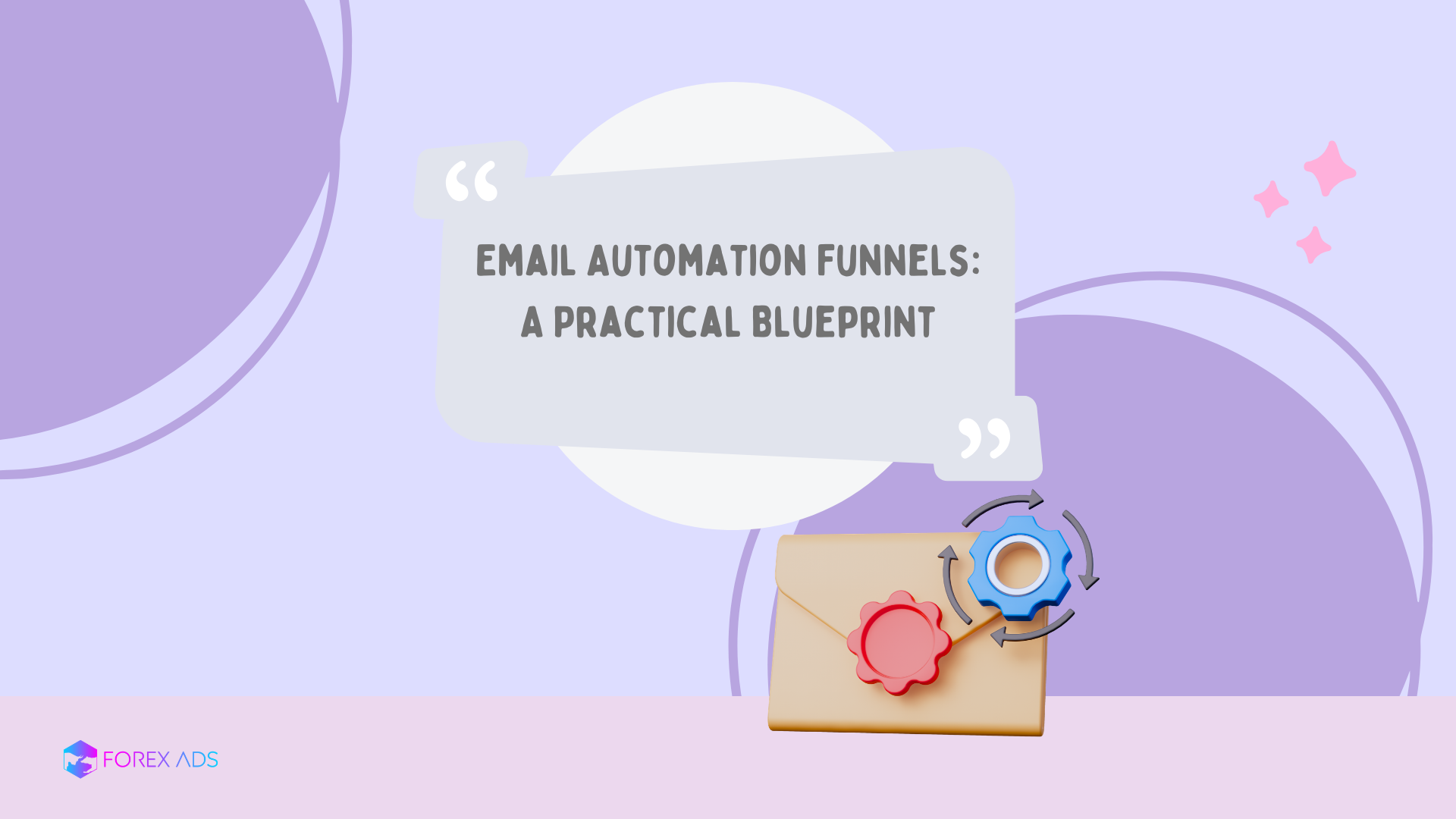
Email Automation Funnels: A Practical Blueprint
Shall we?
1. Define the Funnel Goal
Every automation funnel must have one clear objective:
- Sell a product or service
- Book consultations or demos
- Deliver a lead magnet
- Onboard new clients
- Re-engage inactive subscribers
Avoid mixing multiple goals in one sequence. One funnel = one outcome.
2. Map the Customer Journey
Think in stages:
Awareness → Interest → Consideration → Conversion → Retention
Your emails should move subscribers step-by-step instead of pushing for a sale immediately.
Example structure:
- Welcome & Value
- Problem Education
- Authority Building
- Solution Introduction
- Offer & Call to Action
- Follow-up & Objection Handling
3. Create the Core Email Sequence
A high-converting funnel typically includes 5–7 emails:
Email 1: Welcome + Promise
Deliver the free resource (if any) and set expectations.
Email 2: Identify the Pain Point
Show that you understand their problem.
Email 3: Teach Something Useful
Provide actionable advice. Build credibility.
Email 4: Introduce the Solution
Present your product/service as a logical next step.
Email 5: Social Proof
Add testimonials, results, or case studies.
Email 6: Urgency or Bonus
Limited-time bonus or reminder.
Email 7: Final Call
Clear, confident call to action.
4. Segment and Trigger Intelligently
Automation works best when behavior triggers emails:
- Link clicks
- Page visits
- Cart abandonment
- Webinar registration
- Purchase completion
Segment users based on actions so they receive relevant content—not generic blasts.
5. Optimize Timing and Frequency
Spacing matters.
Typical timing:
- Day 0 (immediate welcome)
- Day 2
- Day 4
- Day 6
- Day 8
- Day 10
Test open rates and click-through rates to adjust spacing.
6. Measure Key Metrics
Track:
- Open rate
- Click-through rate
- Conversion rate
- Unsubscribe rate
- Revenue per subscriber
Improvement comes from testing subject lines, calls to action, and email length.
7. Add Long-Term Nurturing
After the core funnel ends, move subscribers into:
- Weekly newsletters
- Educational drip campaigns
- Promotional sequences
- Loyalty rewards
Automation is not just about selling—it’s about relationship building.
So, what did we learn about Email Automation Funnels?
An effective email automation funnel is structured, intentional, and customer-focused. It doesn’t overwhelm subscribers. It guides them.
Start simple. Build one clear funnel. Test. Improve.
Over time, email automation becomes one of the highest ROI systems in your entire marketing strategy.
Also, we offer Multiple Digital Marketing Services. Take a look at them! Also, you can join us on Instagram.